Petition

Bring REDISA back

REDISA was unlawfully removed, bringing tyre recycling and thousands of jobs to a halt. South Africa throws away 70 000 tyres every day. We must take action now.

Sign the petition to bring REDISA back.

We call for:

  • 1Restore REDISA and bring back an industry-funded tyre recycling plan.
  • 2Keep the tyre levy for tyre recycling so the money is used for its intended purpose.
  • 3Clear dangerous tyre stockpiles and get small collectors and recyclers back to work.
  • 4Protect our environment by recycling waste tyres and preventing pollution.
To the Minister of Forestry, Fisheries and the Environment.

Sign the petition

Add your name and company details. It takes less than a minute.

Almost done. Add a reason if you like, then confirm your signature.

Your details are handled in line with POPIA and are never sold or shared.

✓

Thank you for signing!

Your signature has been recorded. Share the petition so more people and companies can add theirs.

Case study

What REDISA meant for South Africa

The Recycling and Economic Development Initiative of South Africa (REDISA) ran the country's first national waste tyre plan from February 2013 until it was unlawfully shut down in 2017. In less than five years it turned a dumping problem into a working industry. These are the results.

3 000+
jobs created across collection, transport, depots and recycling
REDISA
226
small businesses set up across the waste tyre value chain
REDISA
53%
of waste tyres recycled in 2016, up from 4% in 2013
REDISA audited data
98%
of collection requests fulfilled, diverting waste tyres from landfill and dumping
REDISA
3 126
collection points around the country, including 1 497 tyre dealers
May 2017
R0
cost to government. The plan was fully funded by the tyre industry
Industry fee of R2.30/kg
The only
independent tyre testing lab in Africa built to international standards
Product Testing Institute, Coega
The model

How the REDISA plan worked

REDISA was a non-profit company that sat between the tyre industry and the people who collect and recycle tyres. It did not need a cent of taxpayers' money.

Industry pays

About 180 tyre producers and importers paid a fee of R2.30 per kg on every new tyre.

REDISA manages

An independent NPC ran the funds, the data and the logistics, with every load tracked.

Tyres are collected

71 transporters picked up from 3 126 collection points and took tyres to 35 depots.

Tyres are recycled

32 processors turned them into crumb rubber, new products and energy.

Value returns

New products, new markets and new jobs, with research into safer, more efficient tyres.

Tracking every load cut transport costs by more than 20%. Between February and April 2017 every one of the 1 497 registered tyre dealers had at least one free collection.

A tyre collector at work
For its people

Work and ownership for thousands of South Africans

REDISA was built to give people from all walks of life the opportunity to earn a living and build their own businesses. Collectors, transporters, depot operators and recyclers were paid for their work, helping money flow directly into local communities.

  • More than 3 000 jobs in collection, transport, depots and recycling.
  • 226 small businesses, each one earning from the work it did.
  • Free tyre collections for dealers, so waste tyres stopped ending up on veld fires and in rivers.
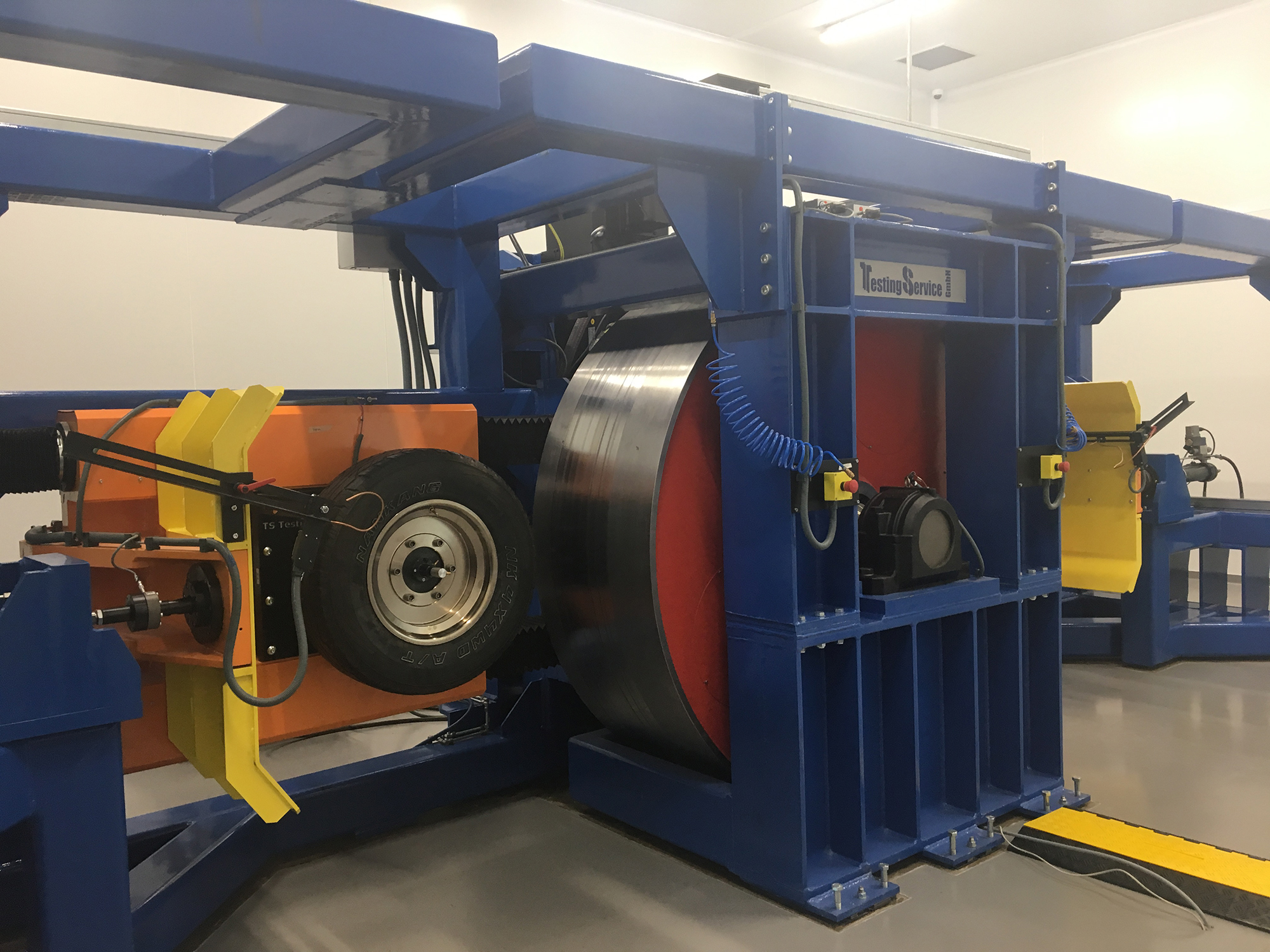
Rolling resistance tester at the Product Testing Institute
For the economy

A new industry, paid for by the industry

REDISA showed that a circular economy can pay for itself. It created demand for recycled rubber, opened new markets and invested in research at South African universities.

  • Zero cost to the fiscus. The fee was paid by producers, not taxpayers.
  • The Product Testing Institute in Coega, Gqeberha, completed in April 2017, with a five-star environmental rating.
  • It is the only lab in Africa that can test tyres to international standards, so local manufacturers do not have to send tyres overseas.
For the environment

From 4% to 53% in three years

Burning and dumped tyres release toxic smoke, breed mosquitoes and pollute water. When REDISA started, almost none of the country's waste tyres were being dealt with properly. Within three years, more than half were.

Amount of waste tyres recycled

Percentage of waste tyres recycled, by year

2013 Before REDISA started
4%
2016 REDISA's third full year
53%
2024 Under government management
about 22%
View as a table
YearRecycledSource
20134%DEA baseline estimate
201653%REDISA audited data
2024about 22%TopAuto, 17 Oct 2024

With REDISA (2017)

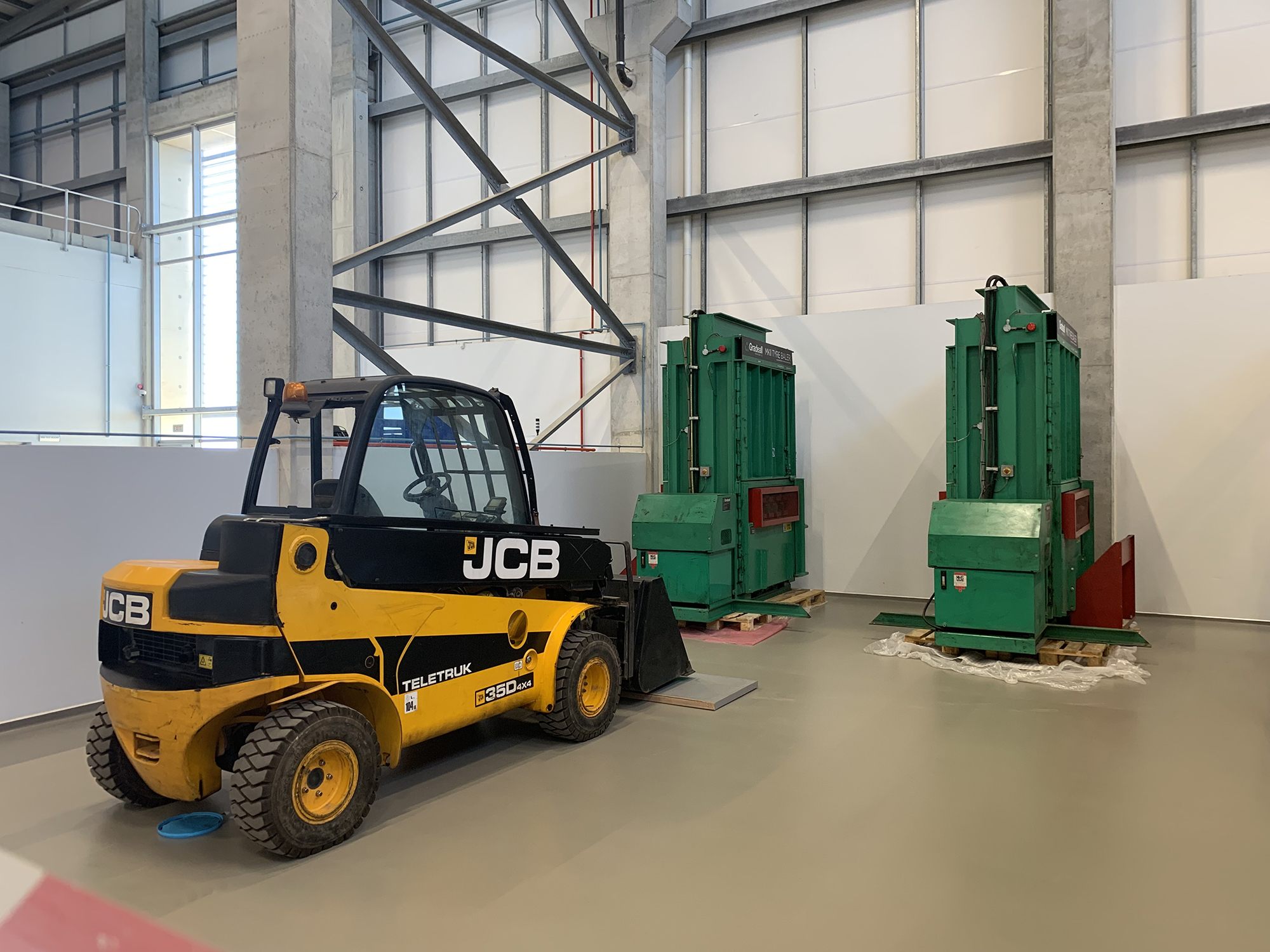
Tyres stockpiled at depots
20 000 tonnes
Depot space used
172 000 m²
Where the tyre fee went
Into collection, storage, pre-processing and recycling

Without REDISA (2024 to 2026)

Tyres stockpiled at depots (2024)
215 000 tonnes
Waste tyres unaccounted for
About half a million tonnes
Where the tyre levy goes
The national fiscus. Of R790 million collected, R472 million has gone towards waste management. With little to show for it.

Figures supplied by REDISA.

Recognition

Recognised around the world

While REDISA was running, the world was paying attention to what South Africa had built.

2016

World Economic Forum, The Circulars

Runner-up in the Government, Cities and Regions category, announced at Davos.

2016

European Development Days

CEO Hermann Erdmann spoke on the circular economy panel, chaired by the EU Environment Commissioner.

2015

Global Economic Symposium

The REDISA Plan was adopted as an official solutions proposal for international challenges.

2015

Ellen MacArthur Foundation and McKinsey

Served on the advisory board for their circular economy report.

2015

Ocean Conservancy

Invited as a partner on the Stemming the Tide report, alongside WWF and others.

What happened

How REDISA was shut down, and what came after

November 2012

The REDISA Plan is gazetted

South Africa's first Integrated Industry Waste Tyre Management Plan becomes law.

February 2013

Operations begin

The tyre fee comes into force and collections start around the country.

2016

53% of waste tyres recycled

In its third full year, REDISA recycles more than 13 times the 2013 level.

June 2017

Provisional liquidation

Government obtains a provisional liquidation order against REDISA. The plan is withdrawn at the end of September 2017 and the Waste Bureau takes over.

January 2019

The Supreme Court of Appeal sides with REDISA

The court sets aside the liquidation and clears REDISA's directors, calling the order patently unlawful.

2023

Depot fires

A fire at the Biesiesvlei depot near Lichtenburg shows the danger of overflowing stockpiles.

2024 to 2025

A new plan, challenged and withdrawn

REDISA takes government's new tyre plan to court in September 2024. In June 2025 the Minister withdraws it for a full review.

Today

The crisis keeps growing

About 70 000 tyres are thrown away every day and fewer than 30% are recycled. REDISA is ready to restart as soon as it gets a mandate.

Ready to restart

The systems are still here

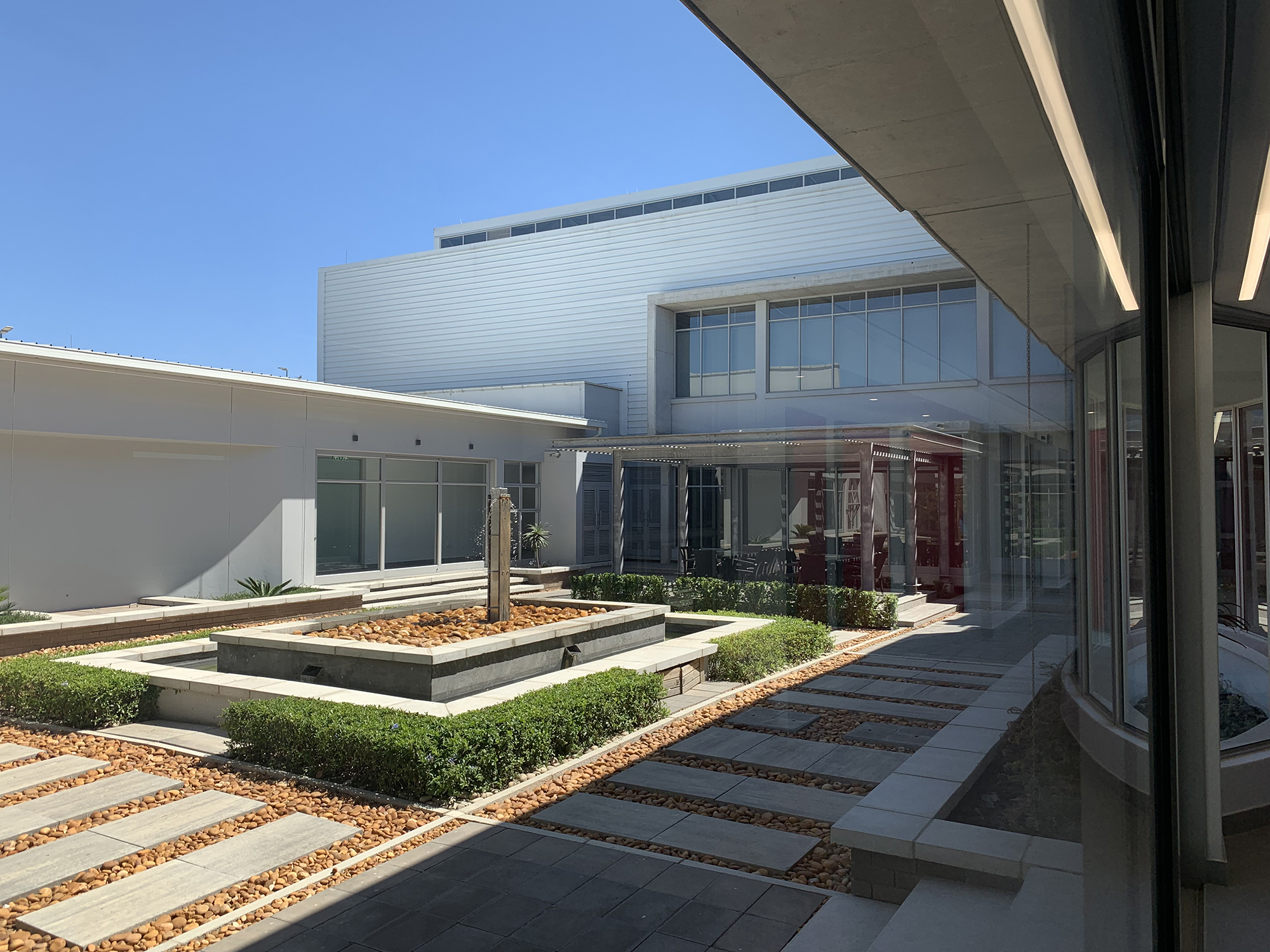
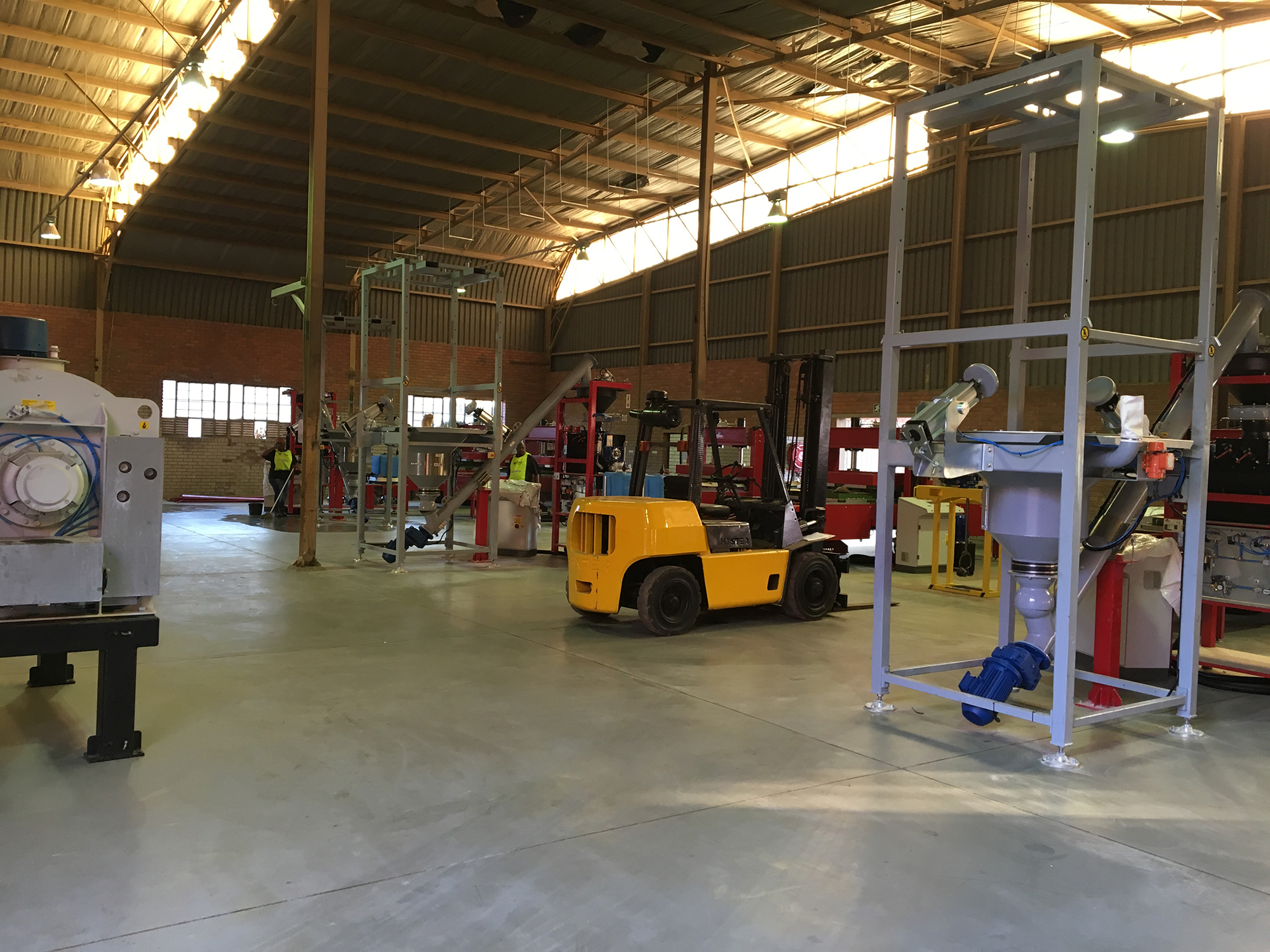
REDISA has kept its offices, systems and testing facilities ready. With a mandate, collections could start again quickly, without building from scratch.
Add your name

A proven, industry-funded answer to the waste tyre crisis already exists. Add your name and company details to show government that South Africans want it back.

Sign the petition
Sources
  1. REDISA, Waste Tyre Management in South Africa (2023)
  2. Chris Crozier, IOL Business Report, 25 February 2026
  3. Stacey Jansen, IOL, 31 July 2026
  4. Albert du Toit, TopAuto, 17 October 2024
  5. Schalk Burger, Engineering News, 9 January 2026
  6. Sheree Bega, Mail & Guardian, 2 June 2025
  7. Stacey Jansen, BusinessDay, 1 February 2025
  8. REDISA, Achievements and News
Scroll to Top